New EU cross-border waste rules are now in force. Try our free platform and get compliant today.


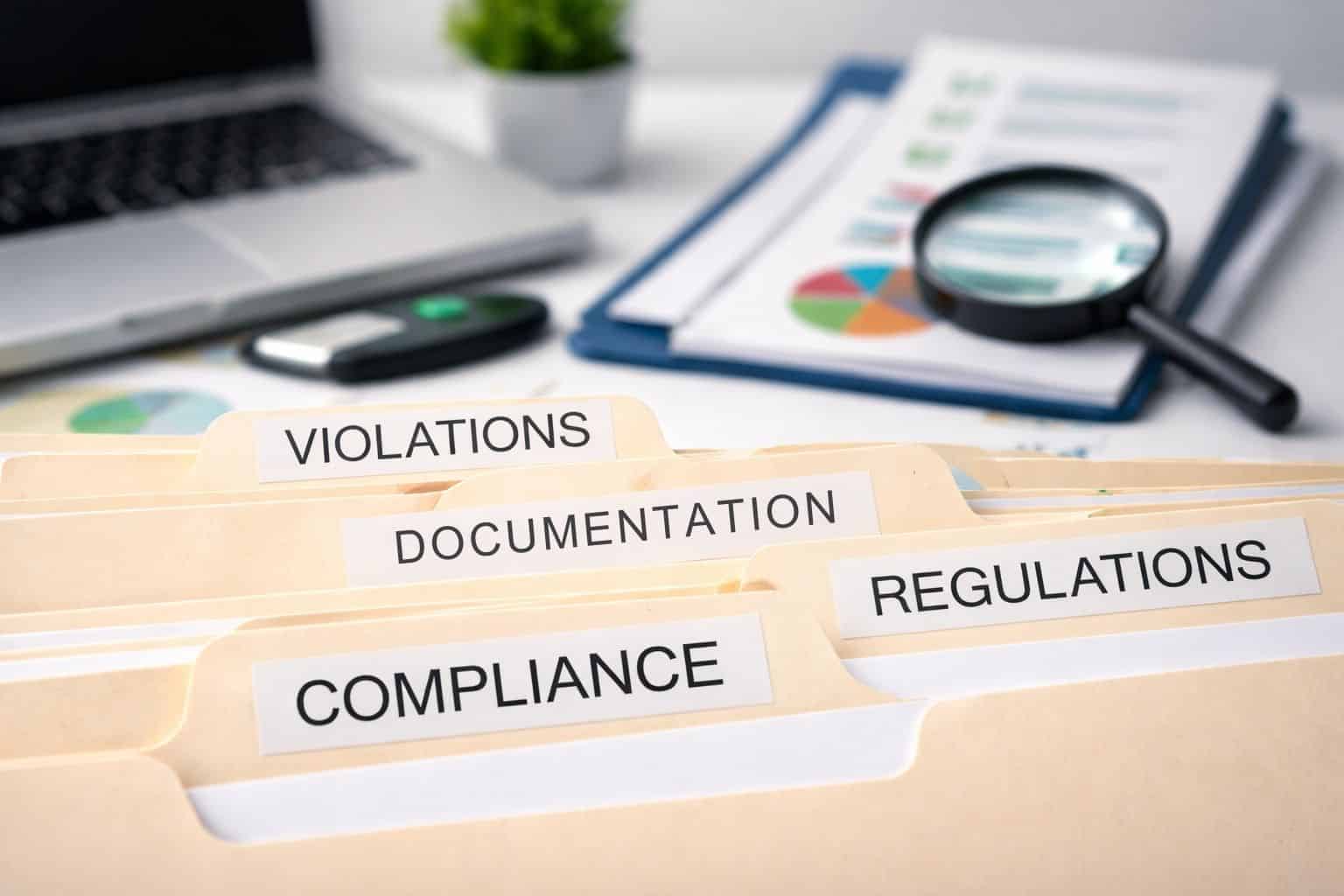
Waste management compliance is the process of ensuring that waste generation, handling, storage, and disposal activities meet environmental regulations. Companies improve compliance by implementing digital waste tracking software, automating compliance reporting, and centralizing waste data management systems to reduce regulatory risk and strengthen ESG reporting accuracy.
Companies achieve waste management compliance by implementing:
Without structured waste data management, regulatory compliance becomes reactive, fragmented, and high-risk.
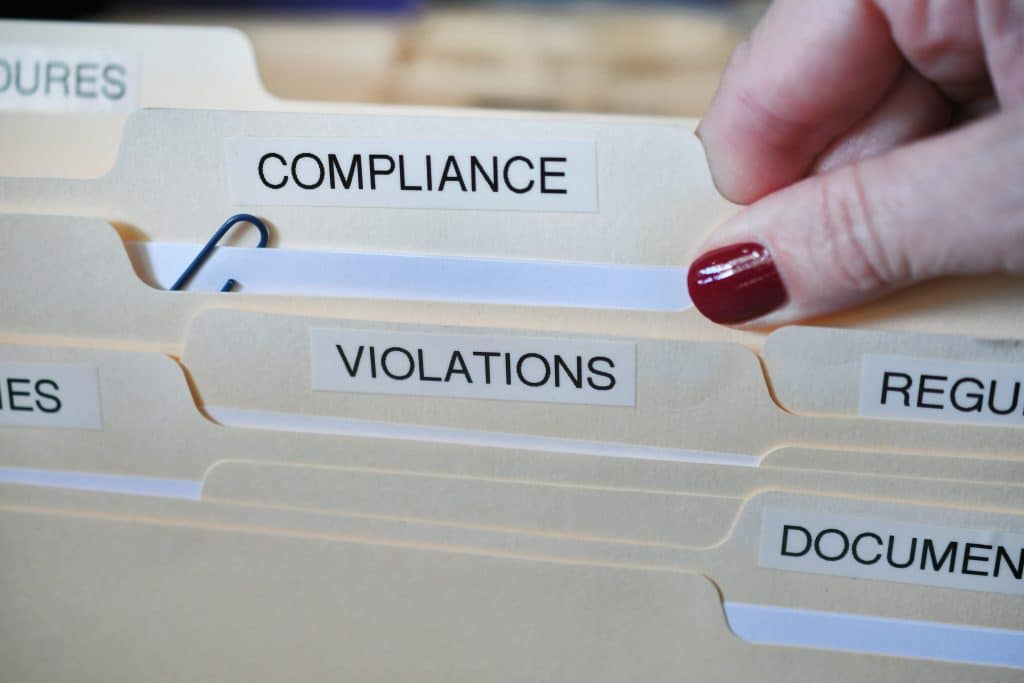
Regulators evaluate documentation, don’t mind intent or assumptions.
Waste management compliance relies on verified evidence across:
When waste data management systems are manual or decentralized, organizations face:
Waste management compliance is only as strong as the integrity of its underlying waste tracking system.

Government regulations are rapidly tightening; for instance, the UK is mandating digital waste tracking to replace over 200 million annual paper records with a single, verifiable digital system. This shift means that manual, fragmented data is a direct compliance violation that can no longer be hidden. Organizations must act now to centralize their waste data management, as real-time digital evidence is becoming the only legal standard for proving regulatory adherence. Waiting to digitize is no longer an option if you want to avoid the increasing risk of heavy fines and operational shutdowns.
Poor regulatory compliance in waste management exposes organizations to:
Environmental fines, hazardous waste penalties, and legal sanctions.
Audit investigations that consume internal resources and delay reporting cycles.
Mismatch between operational waste data and sustainability disclosures.
Stakeholder distrust when environmental compliance failures surface publicly.
As global environmental regulations tighten and ESG frameworks expand, waste management compliance has become a board-level concern.

Waste management compliance is not one-size-fits-all. Regulations vary based on waste type, industry, geography, and operational scale. For municipalities and enterprises aiming for full regulatory alignment, understanding these categories is critical.
Hazardous waste regulations apply to materials that pose risks to public health or the environment.
For example, in the United States, hazardous waste is primarily regulated under the Resource Conservation and Recovery Act (RCRA) and enforced by the Environmental Protection Agency (EPA) (40 CFR Parts 260–273).
This includes:
Compliance typically requires:
Failure in hazardous waste compliance can result in substantial federal penalties, legal liability, and environmental remediation costs.
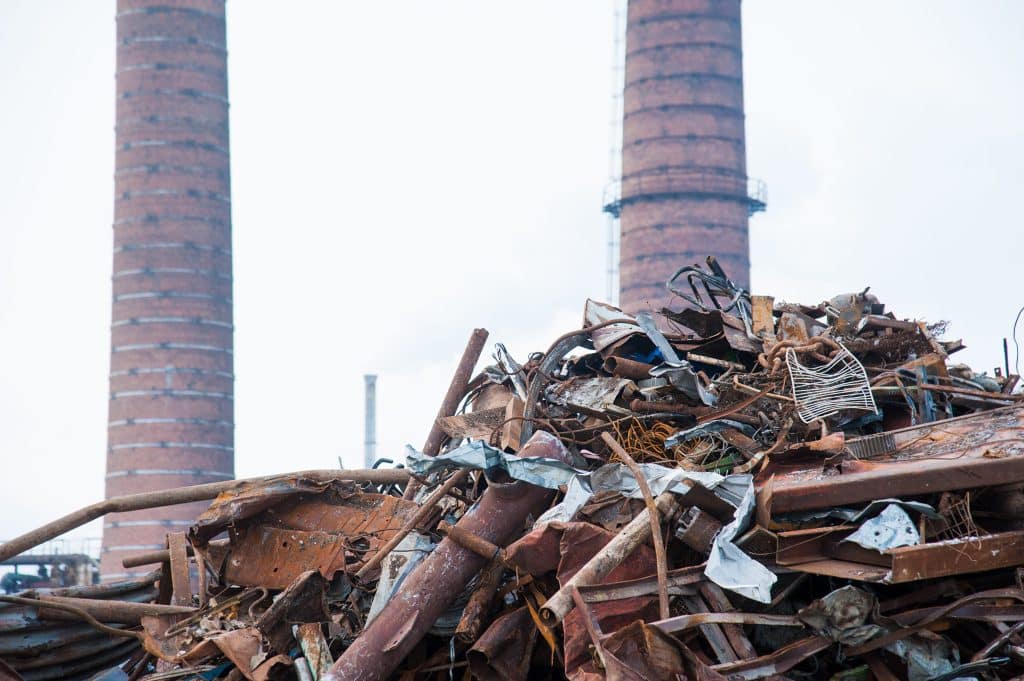
Industrial waste compliance focuses on waste generated from manufacturing and production facilities.
Depending on the waste type, compliance may fall under:
This includes:
Key requirements:
Industrial operators must ensure traceability across the entire waste lifecycle to remain compliant with both federal and state regulators.

Municipal waste compliance governs public waste collection and urban sanitation systems.
For instance, again in the USA, at the federal level, non-hazardous municipal solid waste is regulated under RCRA Subtitle D (Solid Waste Disposal Act). However, most operational compliance requirements are defined by state-level environmental protection agencies.
This includes:
Core compliance needs:
Municipalities must demonstrate both operational efficiency and regulatory compliance while aligning with sustainability mandates and climate-related policies.

Large organizations operating across multiple facilities face layered regulatory environments.
These enterprises must navigate:
Challenges include:
Best practice requires:
Multi-site compliance demands integrated digital waste management systems to ensure consistency, audit readiness, and legal security across jurisdictions.

Must-have waste-tracking software transforms compliance from reactive documentation to proactive regulatory control.
Leading organizations implement digital waste management platforms that:
Waste quantities, categories, and handling processes are recorded directly from operational workflows.
Multi-site organizations consolidate waste data management into unified dashboards with structured audit trails.
Environmental compliance reporting deadlines and regulatory updates trigger system notifications.
Advanced analytics identify irregular waste streams, reporting gaps, and regulatory exposure areas before violations occur.
By integrating waste tracking software with compliance workflows, companies reduce regulatory risk while improving operational transparency.

Effective waste management compliance directly supports:
Digital waste data management platforms provide verifiable, export-ready compliance reporting that aligns with regulatory frameworks and ESG expectations.
Organizations that centralize waste tracking systems achieve stronger:
Organizations face elevated compliance exposure when:
If any of these conditions exist, waste management compliance risk increases significantly.

Scalable waste management compliance requires:
Companies that implement digital waste management infrastructure shift from reactive compliance to evidence-based regulatory assurance.
Waste management compliance becomes measurable, defensible, and strategically aligned.
Waste management compliance ensures that waste generation, storage, transport, and disposal follow environmental regulations and documentation standards.
Companies improve compliance by implementing digital waste tracking software, automating compliance reporting, centralizing waste data management, and using real-time monitoring systems.
Accurate waste data management creates traceable audit trails and ensures environmental compliance reporting aligns with regulatory requirements.
Digital waste tracking systems provide verified data required for sustainability disclosures and environmental performance reporting.
Waste management compliance is engineered through:
Request a personalized Evreka demo to see how digital waste data management can reduce regulatory risk, simplify audits, and support ESG reporting with verifiable evidence.
Tailored to your industry, waste streams, and regulatory requirements.