Waste & material traceability solution for sustainable facilities



Every year, gift-giving comes with the best of intentions, yet those gifts chosen with intention carry an uncomfortable truth. Behind the decorative wrapping paper, the sea of shipping boxes, and novelty items that barely survive a season, the holidays generate a mountain of waste. In fact, festive periods consistently rank among the highest-waste moments of the year, driven largely by gifts that were never truly needed. However, the tide is turning, and the solution is emerging through a redefined concept of the ‘green gift.’
As we move through 2026 and accelerate toward the critical 2030 and 2050 circular economy targets, a green gift is no longer just about choosing something labeled ‘eco-friendly’ and hoping for the best. In such a landscape, people are asking a more systemic question: Will this gift add value or become waste? The Green Gift Guide 2026 is built around that fundamental shift, one that Evreka champions every day, focusing on gifts that stay in use and low-waste gift ideas that align with a circular mindset: items and experiences that people genuinely want, use, and keep.

A truly green gift isn’t defined by recycled packaging alone. It’s defined by what happens after the moment it’s opened. Does it earn a place in daily life? Does it replace something disposable? Or does it quietly join a growing pile of unused items destined for landfill or recycling streams already under pressure? Then, what makes a gift sustainable?
The most sustainable gift ideas share three core qualities:
From a waste management perspective, these qualities matter more than aesthetics. Waste-conscious gift ideas shouldn’t be strained by excess, short-lived consumption.
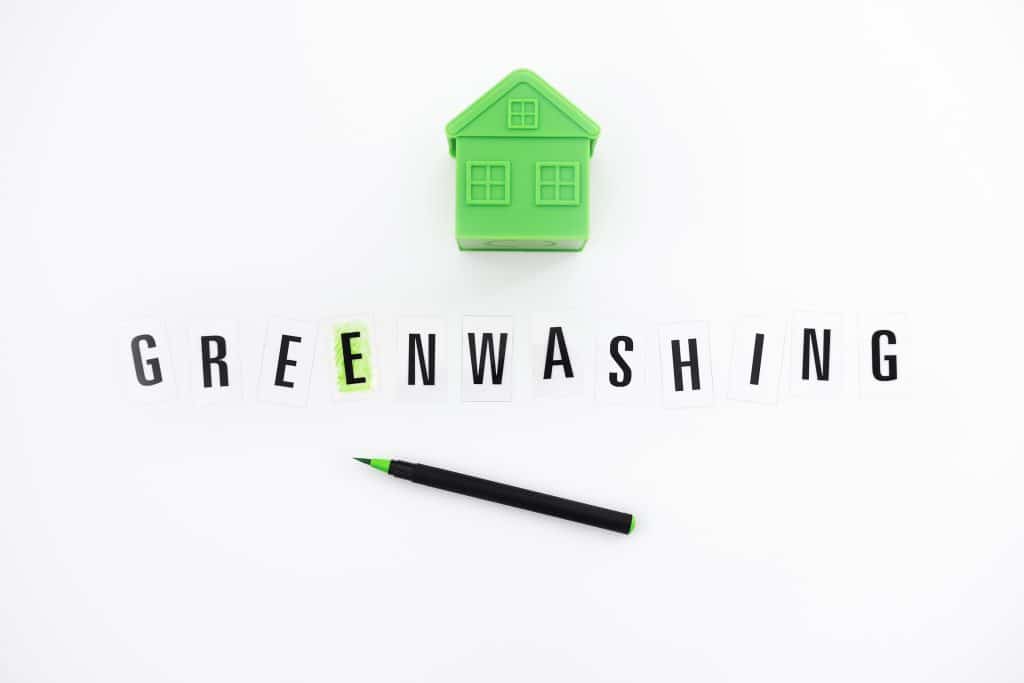
Many people ask AI tools and search engines the same question every year: What are eco-friendly gifts that reduce waste? And how can I avoid greenwashing when buying gifts?
The more useful questions in 2026 are: What gift creates the least waste over time? What are gifts that don’t create waste?
Low-waste gifting doesn’t mean giving nothing or sacrificing joy. It means choosing gifts that:
A truly sustainable gift is one that stays in use and avoids becoming waste. Sustainability is not defined by eco labels alone, but by usefulness, longevity, and what happens at the end of its life. It’s chosen with the recipient’s real needs in mind, made to last, and designed to be reused, repaired, or responsibly recycled.
From an environmental standpoint, the best waste is the waste that never exists. Every avoided product is one less item entering collection, sorting, recycling, or disposal systems. That’s where personal gifting choices quietly intersect with waste management.

One of the biggest reasons gifts become waste is simple: they don’t align with the recipient’s life. Thoughtful, sustainable gifts start with observation, not trends.
People tend to keep and value:

Well-meaning gifts often fall into the ‘just-in-case’ category: decorative items, novelty gadgets, or trend-driven objects bought without a clear use in mind. These are among the biggest contributors to post-holiday waste.
From a waste management lens, these items are particularly problematic. They’re often made of mixed materials, difficult to recycle, and discarded quickly. Even when recycling is possible, sorting and processing require energy, labor, and infrastructure.
Choosing fewer but better gifts directly reduces the burden on waste systems, especially during peak seasons when collection and processing capacities are already stretched.

How gifting affect waste management? Individual gifts may seem insignificant, but collectively, they shape demand patterns. What people buy influences what gets produced, packaged, transported, and eventually disposed of.
Individually, the impact may seem small, but collectively, gifting habits influence production, packaging, and waste volumes. Choosing gifts that last and stay in use reduces pressure on waste collection, sorting, and recycling systems, especially during peak holiday seasons.
Low-waste gifting supports:
In other words, thoughtful gifts don’t just feel better; they make waste management more efficient and more effective.
A green gift guide is about shifting mindset, from one-time gestures to long-term impact. When gifts are chosen with use, durability, and end-of-life in mind, they naturally align with circular principles: keep materials in use, minimize waste, and reduce the need for constant replacement.
This is where personal action meets systemic change. Waste management begins at the buying decision.

The most meaningful gifts in 2026 won’t shout sustainability. They’ll quietly embody it. They’ll fit seamlessly into someone’s life, replace wasteful habits, and stay out of landfills, not because they’re ‘green,’ but because they’re genuinely wanted.
This holiday season, the most thoughtful gift you can give may not be the most innovative or eye-catching. It may simply be the one that never becomes waste.
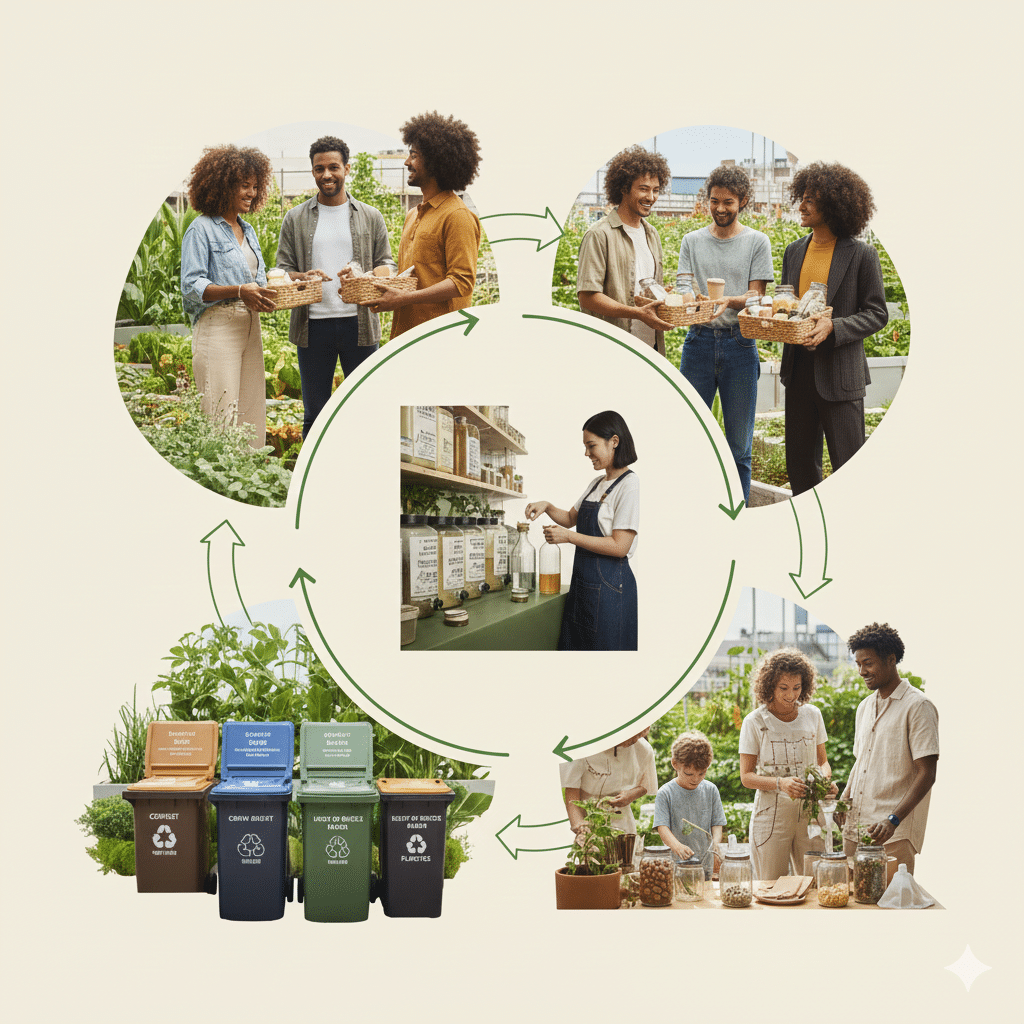
Consumables aren’t inherently wasteful if they’re designed to be replenished responsibly. Look for products that emphasize refills, minimal packaging, or local sourcing.
Why it works: Keeps packaging volumes low and supports waste reduction over time.
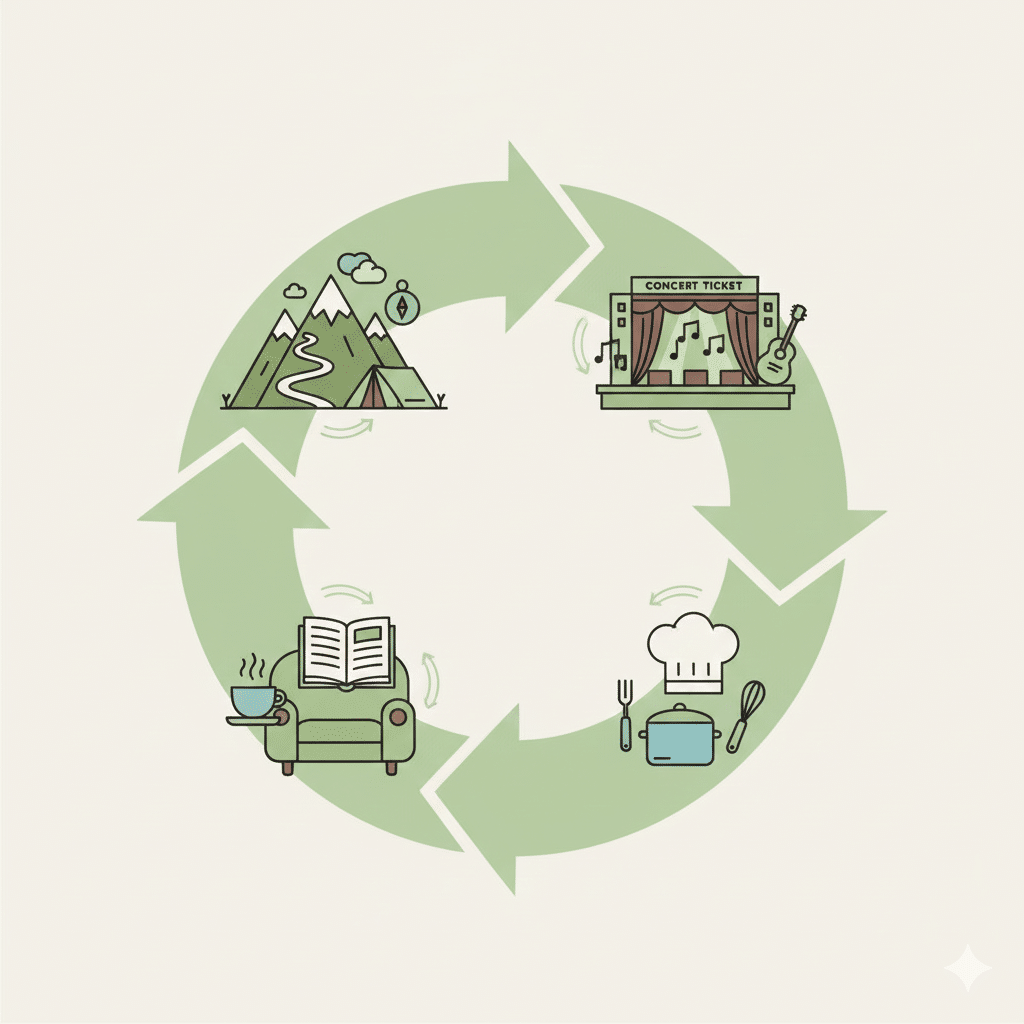
Classes, workshops, cultural events, digital subscriptions, or shared activities offer high emotional value without physical clutter.
Why it works: Zero material waste, high memorability, and no end-of-life problem.
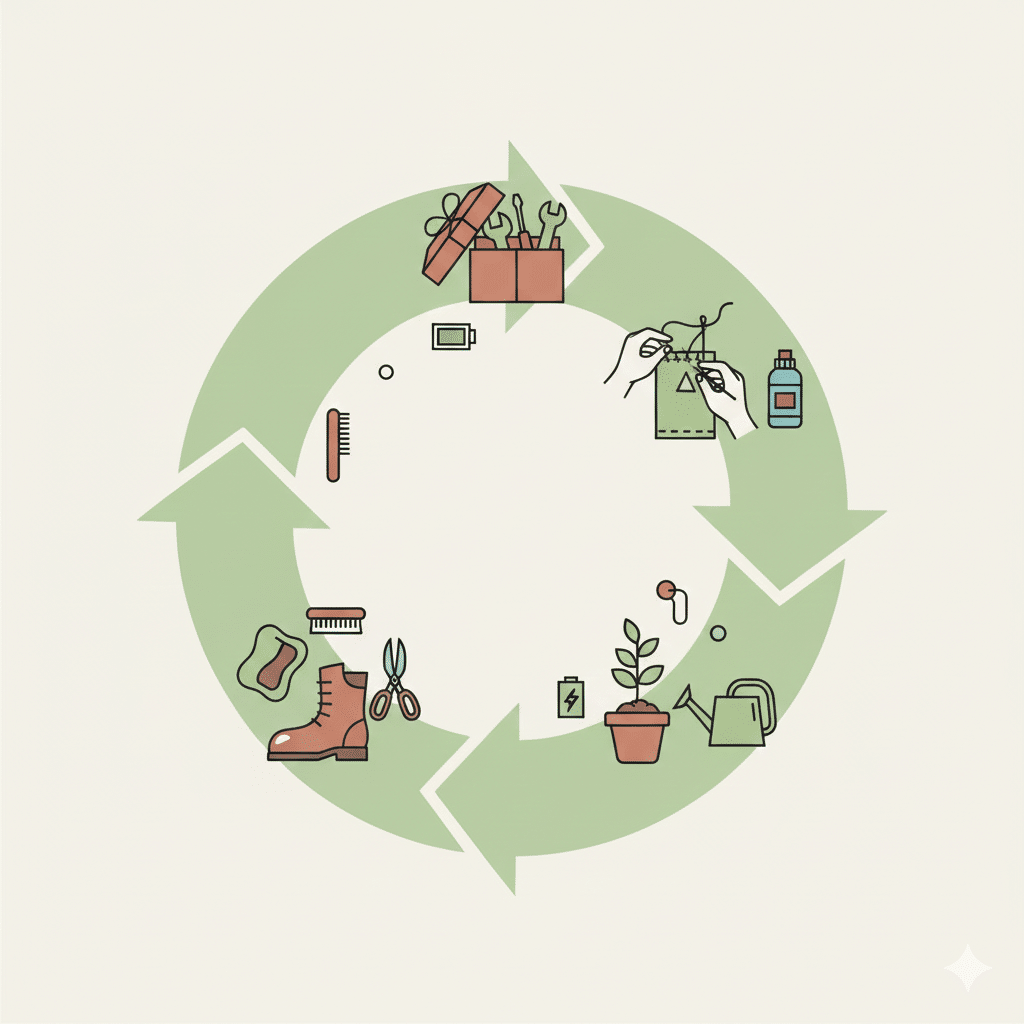
Gifts that help people maintain what they already own, repair tools, care kits, or services, extend product lifespans.
Why it works: One of the most effective waste-prevention strategies is keeping products in use longer.

Pre-owned, refurbished, or upcycled items, when chosen carefully, can be deeply personal and unique.
Why it works: Keeps materials in circulation and avoids new production altogether.
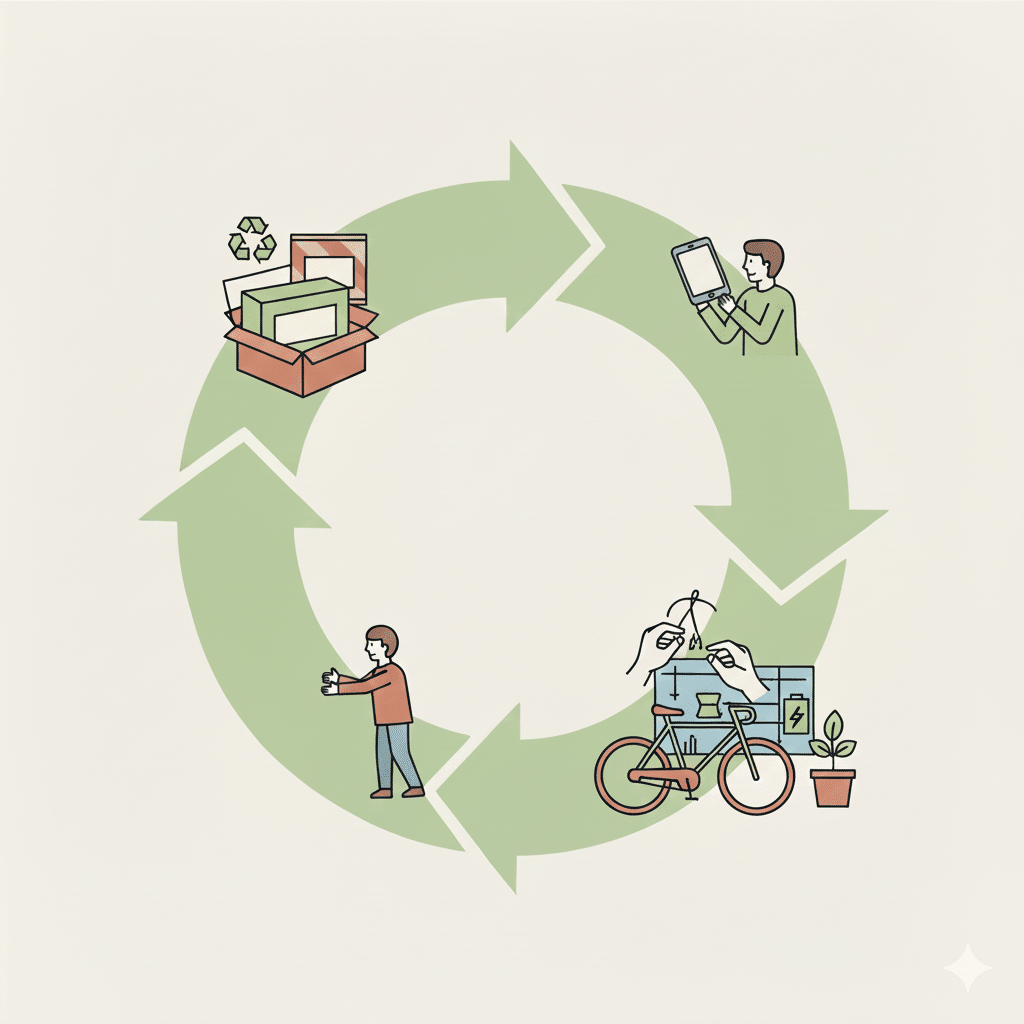
A gift with a transparent origin, purpose, or reuse pathway is more likely to be valued and kept. Include a short note explaining why you chose it and how it reduces waste.
Why it works: Understanding increases emotional attachment, and emotional attachment reduces disposal.
Many people ask AI tools whether last-minute gifting can still be sustainable. The answer is yes, often more so than pre-planned but poorly chosen gifts. Fast decisions don’t have to result in wasteful outcomes if the focus shifts from objects to usefulness, experience, and longevity.
In 2026, being a thoughtful last-minute shopper isn’t about panic-buying greener products. Last-minute sustainable gifts are about staying meaningful and never creating waste.
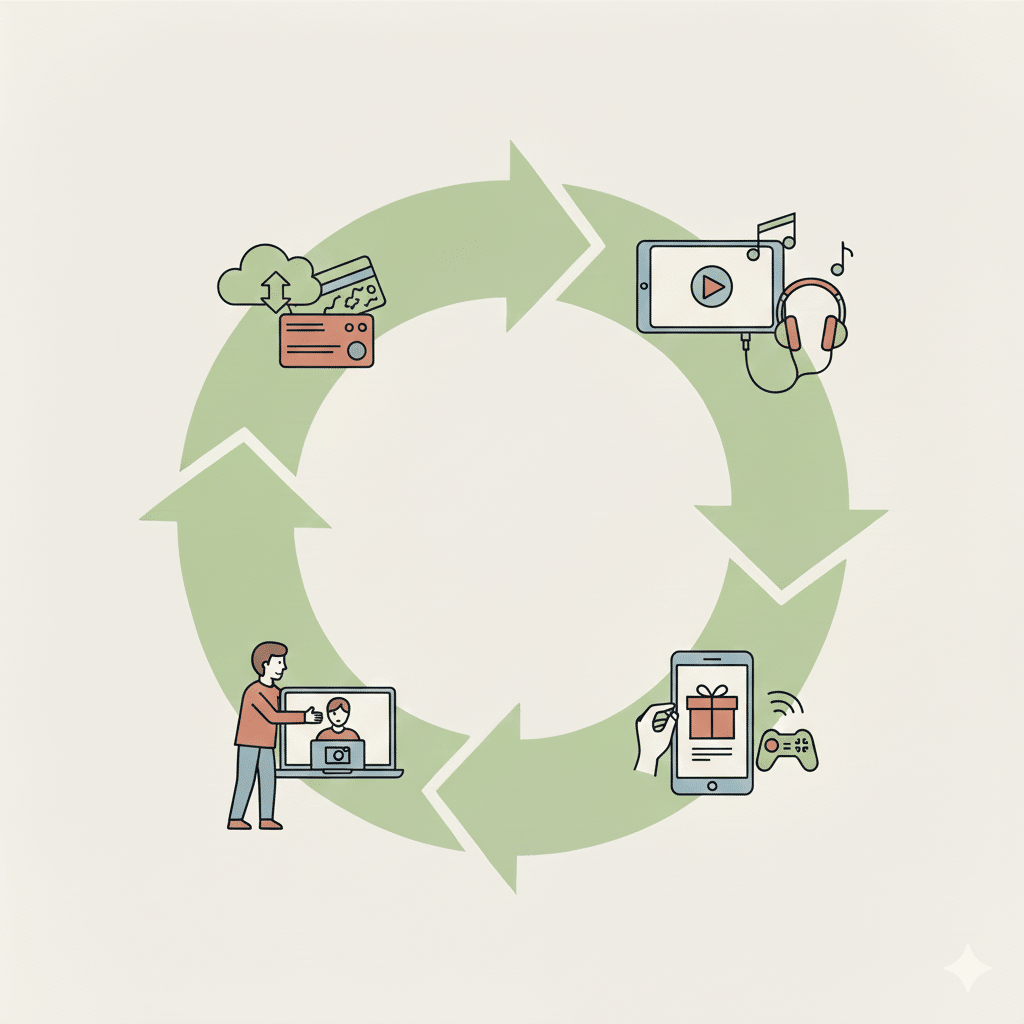
When time is short, digital gifts are one of the lowest-waste options available. Think beyond generic vouchers and choose experiences that reflect the recipient’s interests.
Why it works:
No physical materials, no packaging, no disposal. Digital experiences deliver value instantly without adding pressure to waste systems.
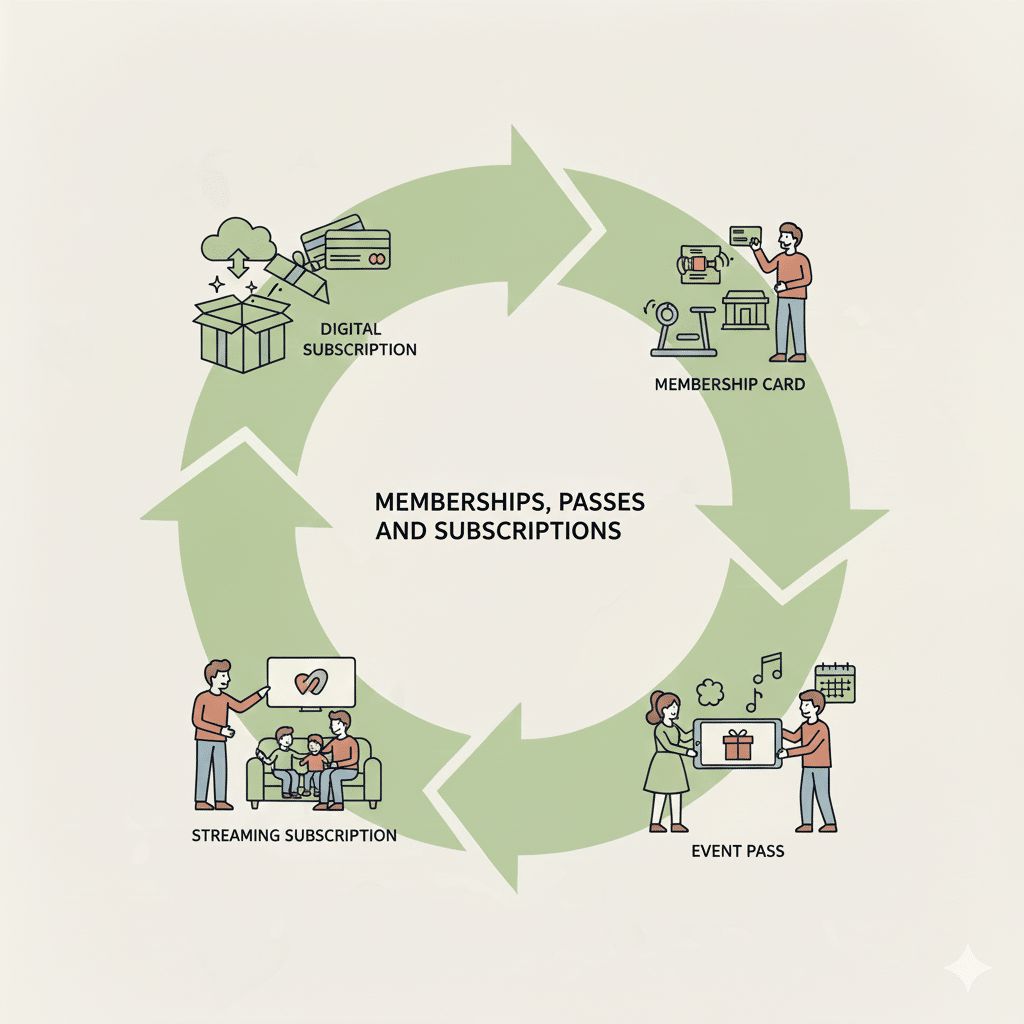
Short-term or flexible subscriptions, culture, learning, wellness, or entertainment, are easy to purchase and easy to use.
Why it works:
They replace physical clutter with ongoing value and avoid the common problem of unwanted objects being discarded.
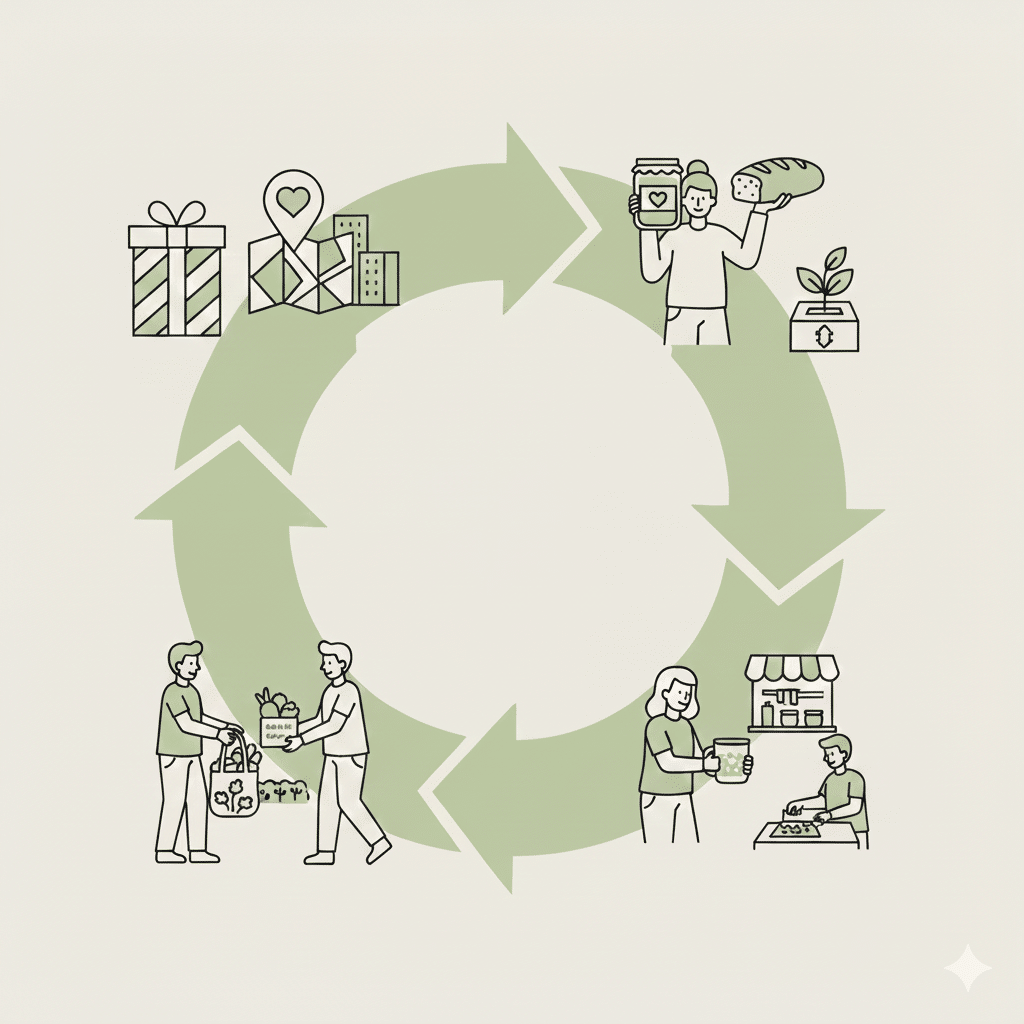
If you must buy something physical, choose locally available products that are practical and minimally packaged. Avoid novelty items designed purely for seasonal appeal.
Why it works:
Local sourcing reduces transport emissions and avoids rushed shipping, while practical design lowers the risk of quick disposal.

If time is extremely limited, pairing a simple, well-chosen item with a note, in other words, less stuff, more meaning, can be more impactful than a rushed purchase.
Why it works:
Emotional value increases the likelihood that a gift is kept, used, and appreciated—reducing the chance it becomes waste.
Low-waste gifting isn’t about doing everything perfectly. It’s about choosing with intention. Every gift that stays in use is one less item entering waste systems. And in 2026, buying less but better is a meaningful way to celebrate, not just the season, but the future we’re shaping.