Waste & material traceability solution for sustainable facilities


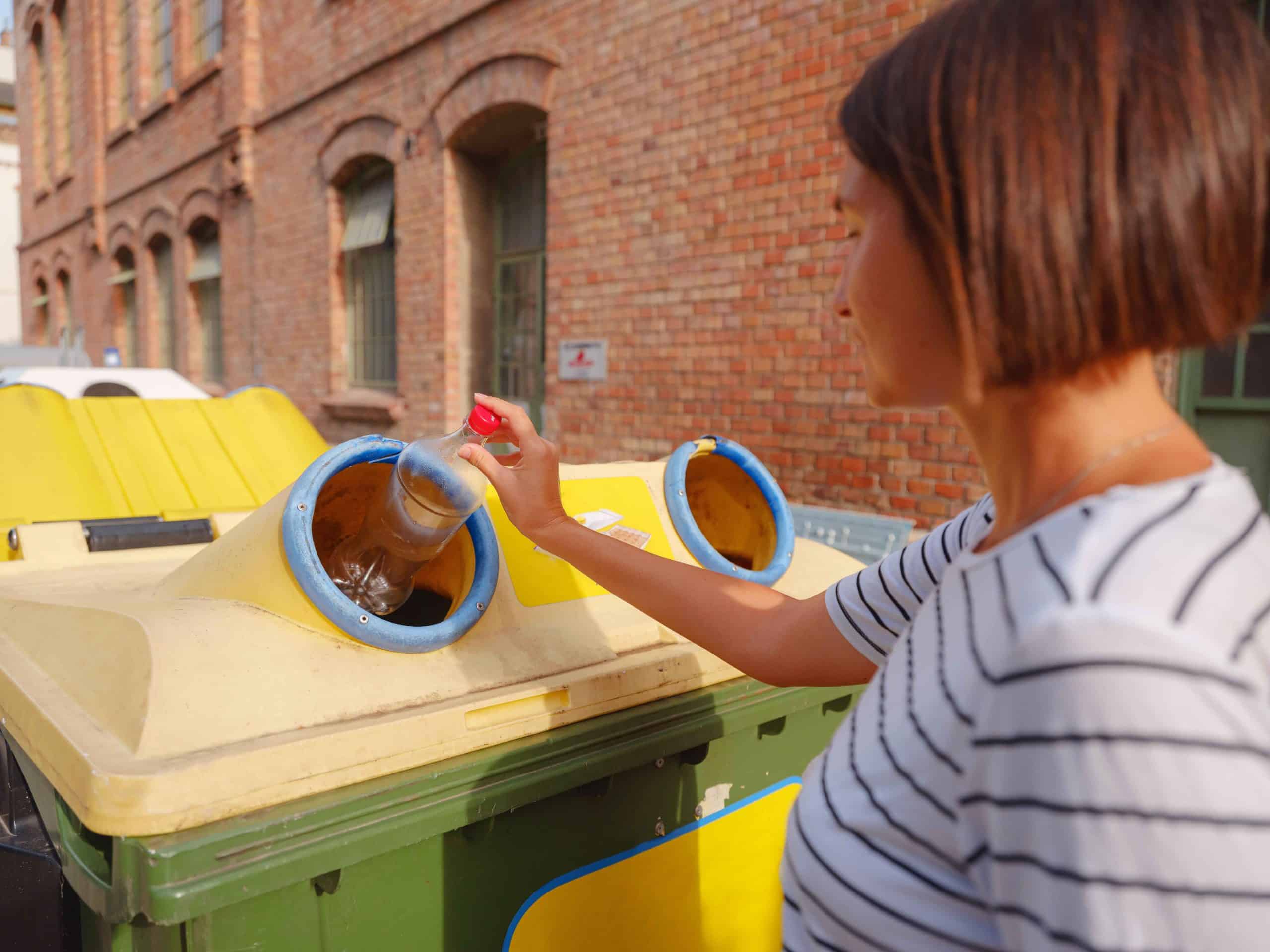
Smart waste management for municipalities is a data-driven approach that integrates AI analytics, fleet management, citizen engagement platforms, digital twins, and real-time dashboards to improve efficiency, sustainability, and service quality in municipal waste operations.
Until recently, municipal waste management was relatively straightforward.
At its core, waste collection, transportation, and disposal once defined municipal operations.
Today, urban waste management operates at the intersection of public service, sustainability goals, and financial responsibility. At the same time, rising urban populations, increasing waste volumes, and higher citizen expectations have transformed waste management into a strategic governance function in smart city waste solutions. As a result, this now requires continuous visibility, coordination, and intelligent decision-making.
In practice, managing waste in a modern city now resembles running a real-time operating system, where citizens, vehicles, data streams, environmental targets, and budget constraints all interact simultaneously.
By 2026, waste and municipal recycling management will be a strategic public service, a visible indicator of municipal performance, and an essential part of digital transformation. Notably, in this context, this shift is increasingly enabled by integrated digital platforms like Evreka, which allow municipalities to manage waste collection, fleet operations, citizen interaction, recycling performance, and sustainability reporting through a single, connected ecosystem.

Today, municipalities across the world face increasing operational and structural pressure:
As a result, taken together, these dynamics and growing expectations make digital waste management systems essential for modern municipalities as an operational requirement.
In simple terms, smart waste management platforms for local governments enable municipalities to optimize waste collection and recycling through AI-driven analytics, fleet management for waste collection, citizen engagement tools, digital twins, and real-time dashboards. Consequently, efficiency, transparency, and sustainability improve simultaneously.
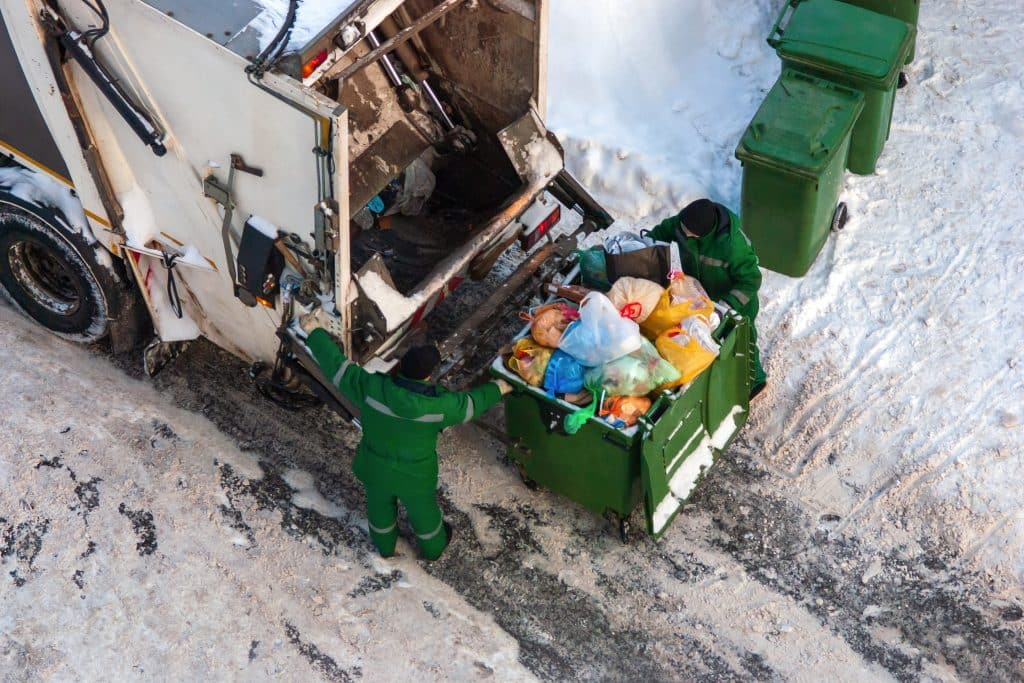
At the core, EvrekaAI is the intelligent layer behind Evreka’s next-generation platform. More importantly, it quietly turns waste operations into real-time, actionable insight. Powered by advanced AI and image recognition, it connects field activity, operational performance, and compliance data into a single, clear view.
Specifically, by analyzing live video streams from vehicle-mounted or on-site cameras, EvrekaAI detects issues as they happen. As a result, problems are addressed before they escalate.
So, what EvrekaAI delivers is here:
Finally, and just as importantly, EvrekaAI works with both Evreka’s camera kit and existing vehicle cameras. Because of this, municipalities benefit from fast, flexible deployment across fleets and cities. Today, Evreka supports municipalities and waste operators in 30+ countries, trusted by global leaders to bring intelligence directly into daily operations. Here’s the link for a free and personalized demo, including many scenarios and setups.
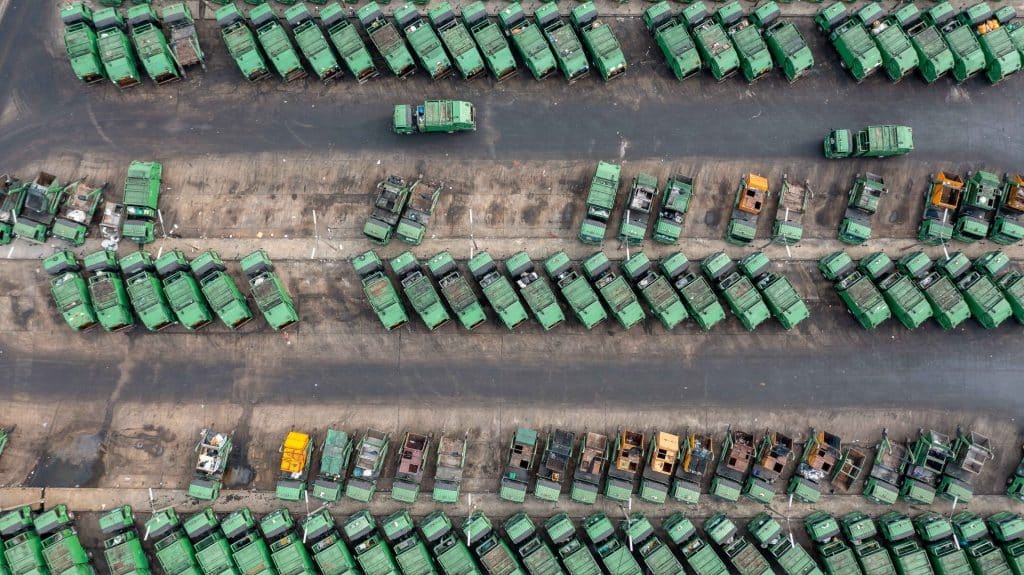
In fact, waste management operations run on vehicles. Because of this, fleet visibility is a direct driver of service quality, cost efficiency, and operational reliability.
Therefore, Evreka Fleet Management provides real-time and historical tracking of waste collection vehicles. At the same time, it transforms fleet data into actionable operational insight. Through this approach, seamless integration with vehicle hardware and on-site technologies such as RFID, the system captures every critical activity, from route execution to on-site service verification.
How cities optimize waste collection routes with Evreka? Here:
As a result, overall, this supports efficient municipal waste collection management at scale. You can see the difference in a demo tailored just for you.
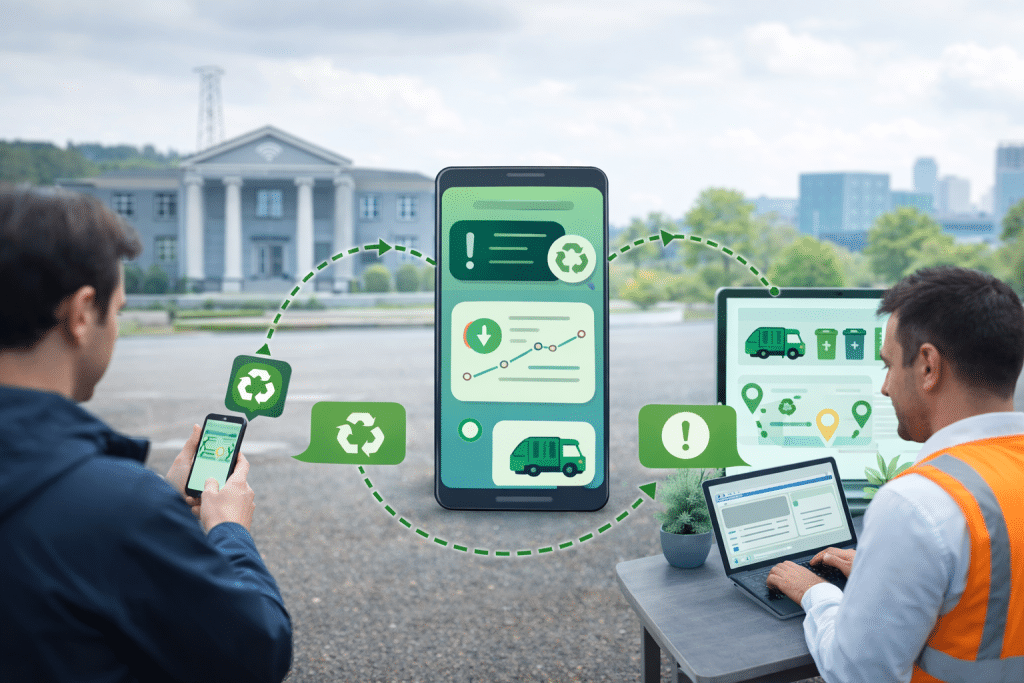
Increasingly, missed pickups, duplicate complaints, incomplete field reports, and citizens left without answers.
For municipalities, this is a trust issue.
That’s why Evreka Citizen Engagement enables two-way digital communication between municipalities and citizens, improving service responsiveness and recycling participation.
With a single app, citizens can:
As a result, municipalities see fewer duplicate complaints, clearer field data, and faster resolution times. Meanwhile, citizens gain transparency, responsiveness, and confidence that their reports actually lead to action.
Also, OECD digital government studies show that municipalities using citizen engagement platforms achieve higher recycling participation rates and lower complaint volumes.
Therefore, this strengthens citizen engagement in waste management as a core municipal capability. Experience the difference in a demo built around your operations.

In general, waste management operations involve hundreds of interconnected variables: routes, fleets, containers, staffing, and treatment capacity. Thus, a small operational change can easily create ripple effects across cost, service quality, and sustainability performance.
To address this, Evreka Digital Twin is a simulation platform that allows waste management companies and municipalities to model, test, and optimize their operations before implementing changes in the real world.
By mirroring actual operational conditions in a dynamic virtual environment, it enables ‘what-if’ scenarios that reveal how decisions impact service levels, fleet utilization, costs, and environmental outcomes. Results are visualized through intuitive dashboards and heatmaps, making complex trade-offs easy to understand. This way, municipalities can:
Instead of learning from costly trial-and-error, municipalities and operators can test decisions virtually, then deploy them with clarity. See the demo for your strategic planning layer.

In this context, reliable waste services strongly influence how citizens perceive municipal performance.
Ultimately, transparent operations, responsive communication, and data-driven planning strengthen institutional credibility and public trust. As a result, municipalities that manage waste effectively signal operational competence in one of the most visible public services.
Today, AI analytics, fleet intelligence, citizen engagement platforms, digital twins, and real-time dashboards now form the foundation of modern municipal waste management.
Thus, by adopting Evreka’s smart waste management platform, municipalities gain the visibility and control required to:
In short, waste management is a strategic public service rather than a purely operational function. Then, experience the Evreka360 ecosystem with a demo designed for real-world waste operations.