New EU cross-border waste rules are now in force. Try our free platform and get compliant today.


Solutions
Evreka AI Camera
Turn every collection vehicle into a real-time waste detection sensor. Evreka AI Camera spots overflowing containers, illegal dumping, contamination and hazardous items during routine collection, and turns each detection straight into a case with photographic evidence, with no extra stops and no manual reporting.
The world generates more than 2.24 billion tonnes of municipal solid waste every year, on track for 3.88 billion tonnes by 2050, and collection alone already accounts for 50-80% of total municipal solid waste management costs. Most of that cost comes from field problems nobody sees until a citizen complains: an overflowing bin, a fly-tipped pile beside a container, a damaged lid. Evreka AI Camera puts detection directly on the vehicle doing the route anyway, so these issues surface the moment they happen instead of days later.
2.24B+tonnes of municipal waste generated worldwide each year
50-80%of waste management cost is collection alone
Edge AIprocessing on the vehicle, GDPR-compliant by design
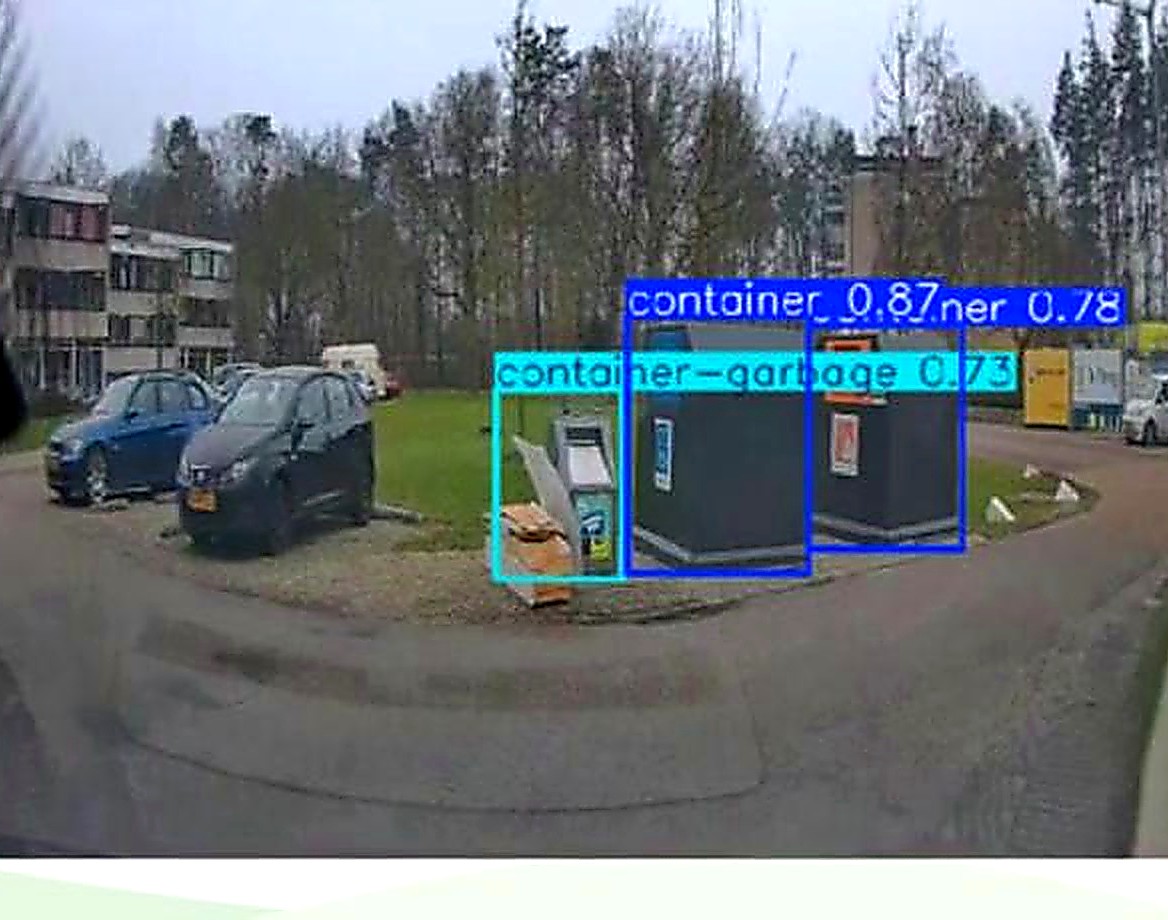
Live Detection
Every container, scored in real time
Containers, fly-tipped waste and hazards identified with live bounding boxes and confidence scores as the vehicle drives its normal route.
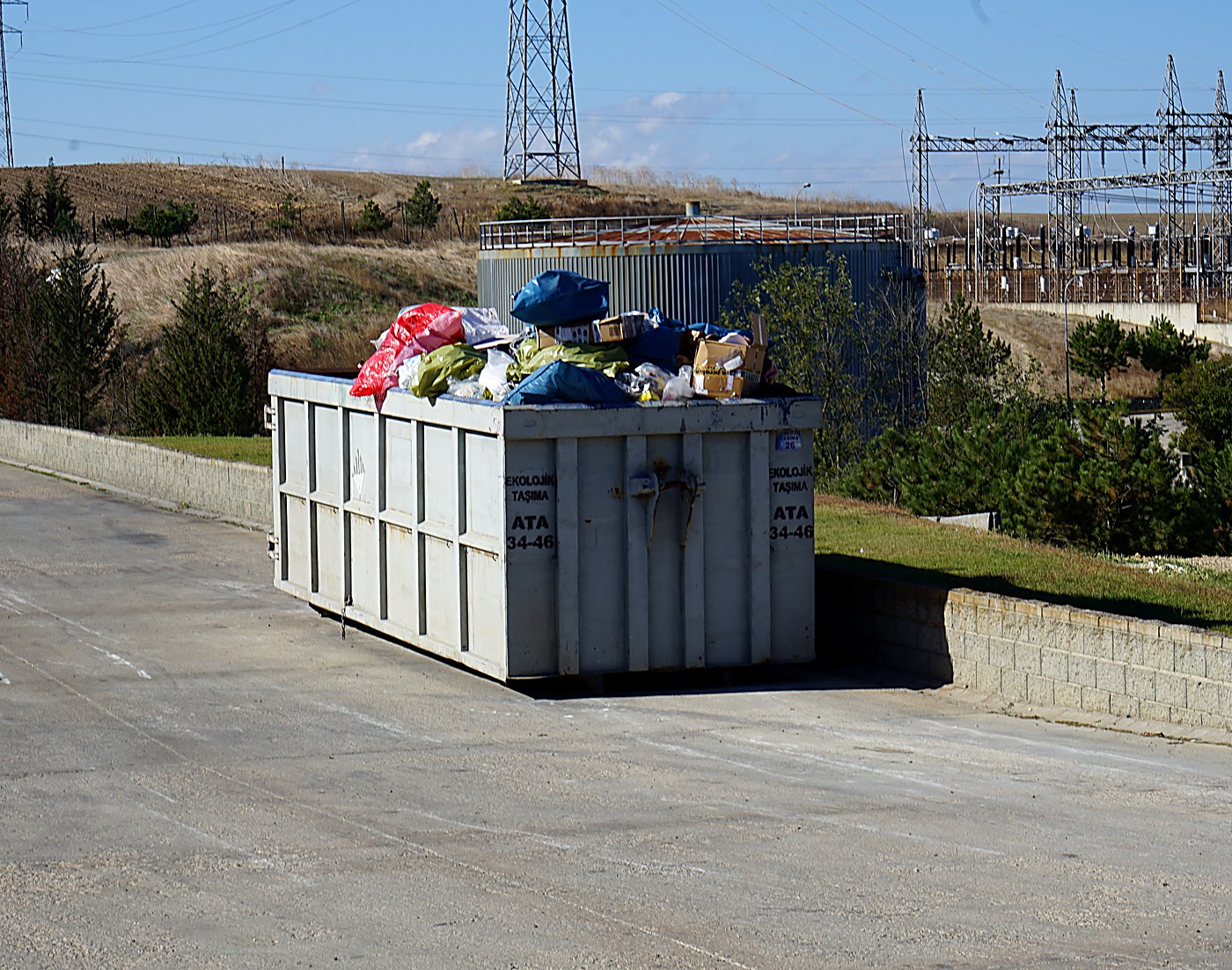
Overflow & Contamination
Caught before it's a complaint
Overflowing containers and contaminated recycling streams flagged automatically, before they escalate into citizen complaints or rejected loads.
The Challenge
Field issues that stay invisible until they cost you
Why fill-level sensors and citizen complaints alone can't keep up with what actually happens in the field.
Sensors can't see what's beside the bin
Fill-level sensors measure what's inside a container, but debris, furniture and bags dumped beside it go undetected until someone complains.
AI Camera fix: visually recognizes waste beside containers during the normal route, no extra sensor hardware or stop required.
Illegal dumping is found too late
Fly-tipped waste often sits for days before a resident reports it, by which point the health and reputational cost is already paid.
AI Camera fix: identifies illegally discarded waste during normal routes and automatically generates a case with photographic evidence for rapid response.
Hazardous items reach the truck unflagged
Gas cylinders, lithium batteries and pressurized containers slipped into general waste put crews and vehicles at risk on every route.
AI Camera fix: flags hazardous items before they enter the collection vehicle, protecting worker safety on every stop.
Service disputes have no proof either way
When a resident says a collection was missed, crews have no image-based record to confirm what actually happened at that stop.
AI Camera fix: image-based proof of collection at each location creates an auditable record that resolves service disputes in minutes, not days.
What You Gain
Detection that works the route with you
Zero Extra Stops
Detection happens from the vehicle already running the route, with no separate inspection pass required.
Automatic Case Creation
A detection creates a case, assigns a task, and generates visual evidence automatically, with no manual reporting.
GDPR-Compliant By Design
Faces and license plates are anonymized before any data leaves the vehicle, so detection never compromises privacy.
Edge Processing
Processing happens directly on the vehicle. Only metadata and evidence images are transmitted, not full video streams.
Worker Safety
Hazardous items are flagged before they reach the vehicle, reducing risk to crews on every collection.
Evreka AI Camera detects across 8 practical use cases, including:
How It Works
Detection that runs on the vehicle, not in the cloud
A camera mounted on the collection vehicle captures footage as it works its normal route. Detection models run directly on the vehicle, identifying containers, waste conditions and hazards in real time. When something needs attention, faces and license plates in the frame are anonymized before anything leaves the vehicle, and only the relevant metadata and evidence image are transmitted, never the full video stream. That detection automatically creates a case, assigns it to the right task queue, and attaches the photographic evidence, ready for a supervisor to review or close.
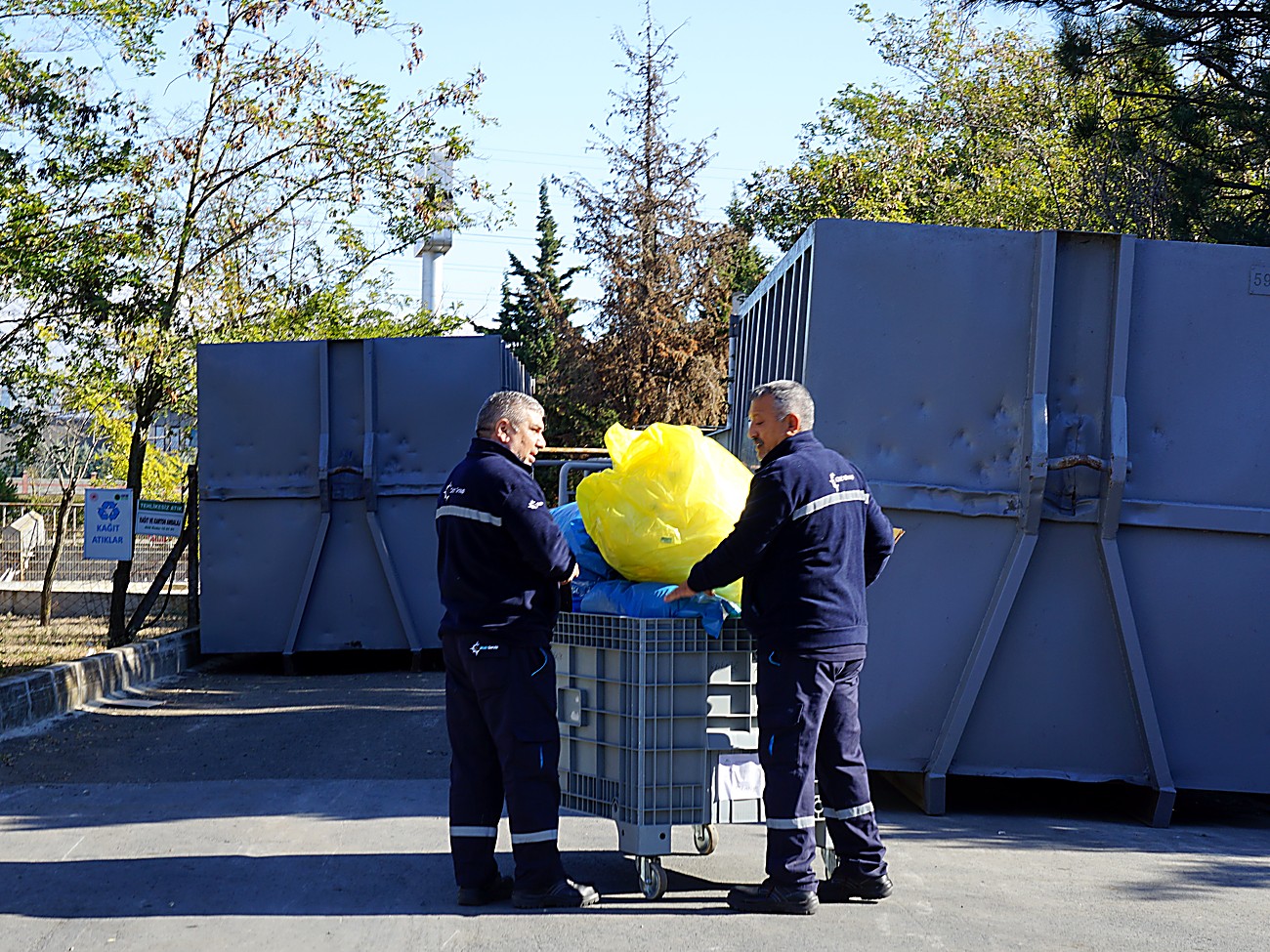
Runs the route, not an inspection
Detection happens from the same vehicle already on the route, so verification and issue-spotting cost nothing extra in time or mileage.
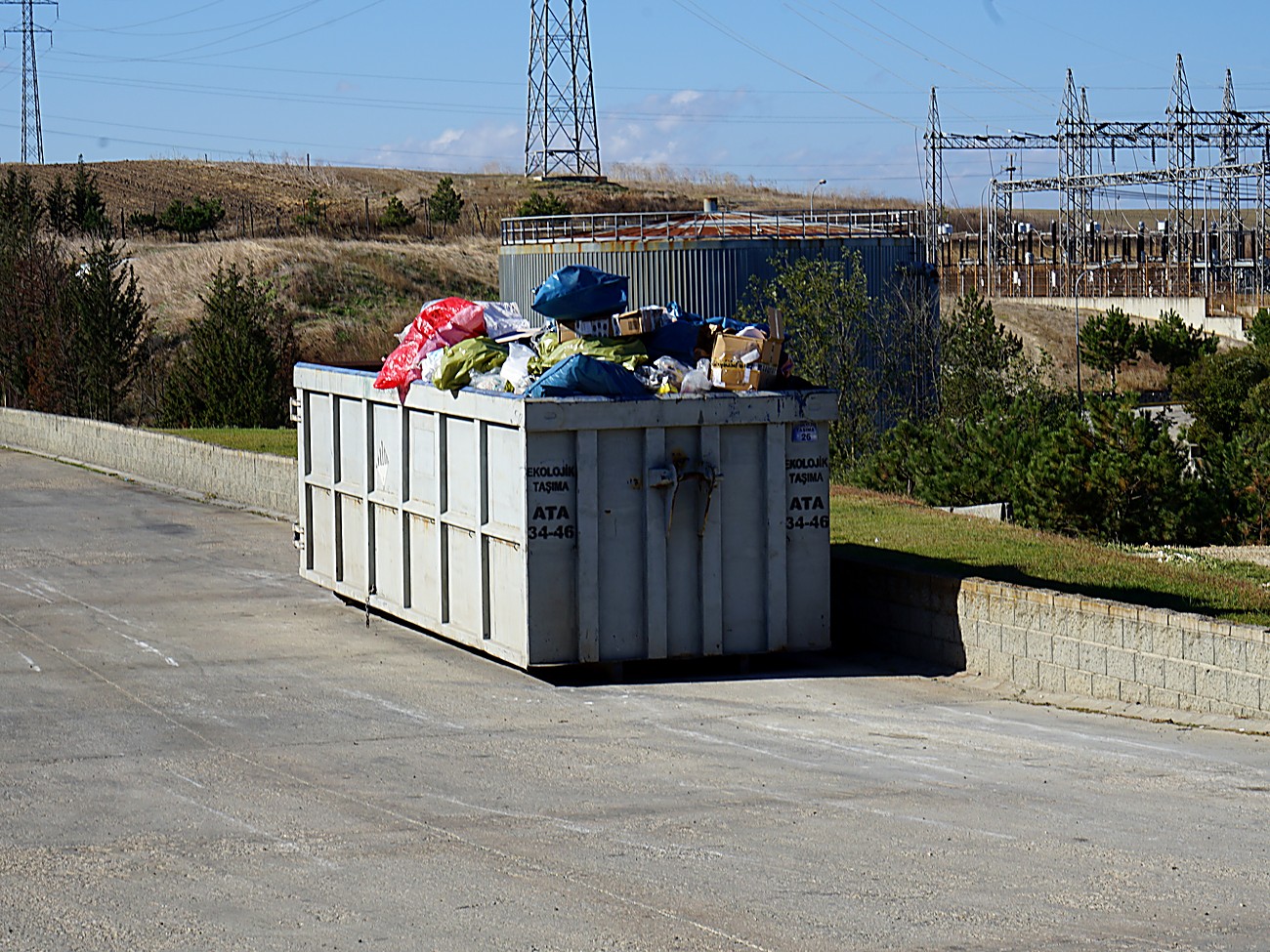
Flagged before it's a complaint
An overflowing container like this is detected automatically and turned into a case with evidence, before a resident ever has to report it.
Eight Practical Use Cases
Built to catch what routine collection misses
Overflowing Container Detection
Identifies bins approaching capacity during routine collection, preventing spillage and health risks before they escalate.
Collection Verification
Provides image-based proof that waste was collected from each location, creating an auditable record for service disputes.
Illegal Dumping Detection
Identifies illegally discarded waste during normal routes and automatically generates a case with photographic evidence.
Waste Beside Containers
Recognizes debris, furniture or bags surrounding collection points that fill-level sensors alone cannot detect.
Hazardous Waste Identification
Flags gas cylinders, lithium batteries and pressurized containers before they enter the collection vehicle.
Damaged Container Detection
Automatically reports bin damage and infrastructure issues to maintenance teams with location data for prioritized repairs.
Environmental Monitoring
Extends collection routes into dual-purpose missions, monitoring public spaces for litter accumulation and maintenance needs.
Recycling Contamination Reduction
Uses image recognition to detect unwanted materials in recycling streams before they reach processing facilities.
Local authorities running Evreka AI Camera alongside Evreka360 turn every collection vehicle already on the road into a verification and detection sensor, without adding a single extra stop to the route.
Evreka360, municipal deploymentAlso worth knowing
Every AI Camera detection becomes operational data inside Evreka360, the same data that powers Evreka Digital Twin simulations. Together they close the loop from live field detection to tested, optimized planning.
Related Use Cases