Waste & material traceability solution for sustainable facilities
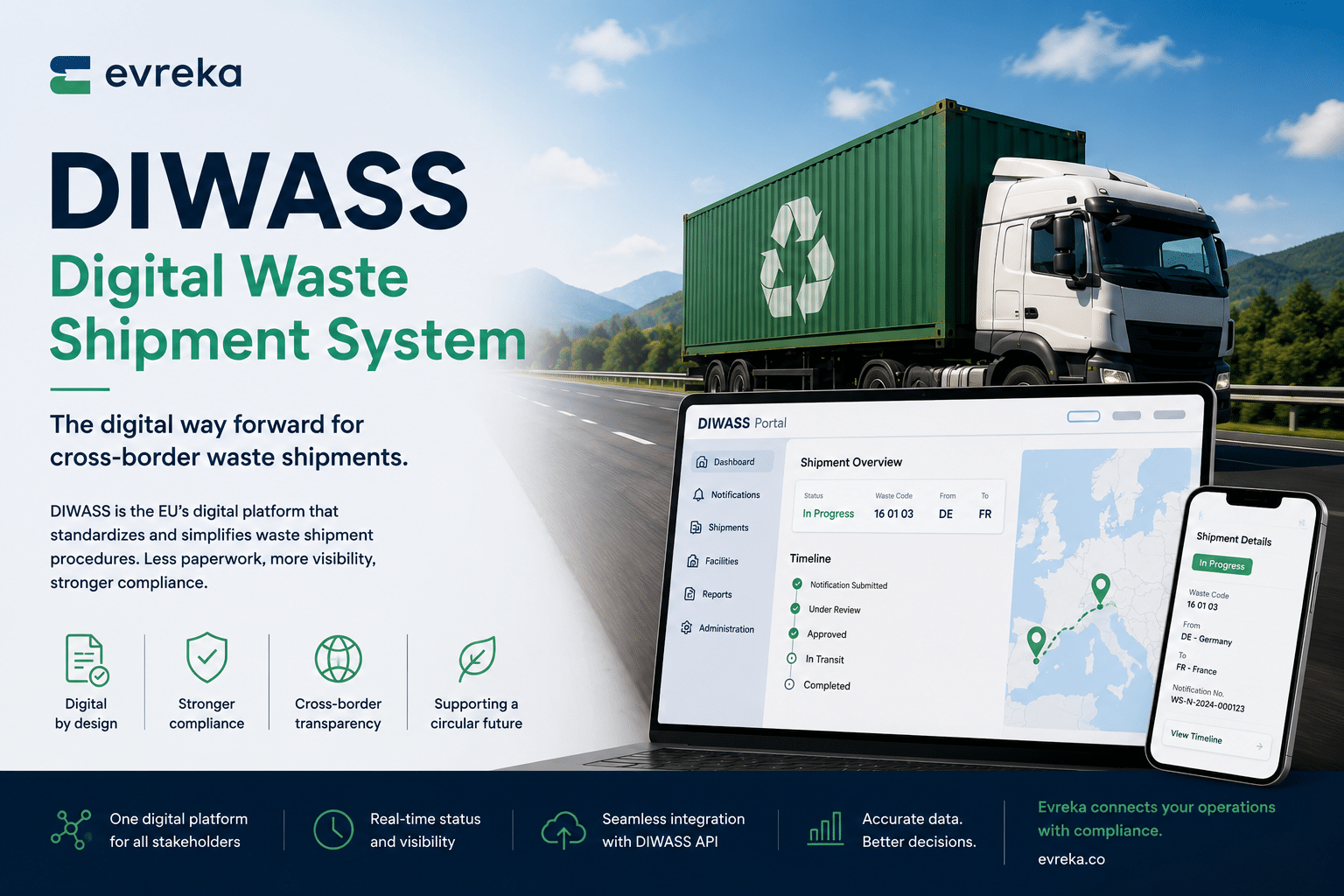
The DIWASS Digital Waste Shipment System may not sound like the most exciting topic in waste management. After all, it’s a regulatory platform.
But if you’ve ever spent days chasing shipment documents, reconciling conflicting versions of a form, or trying to understand where a cross-border approval process stands, DIWASS is worth paying attention to.
Because at its core, DIWASS is trying to solve a surprisingly common industry problem: too much information, spread across too many places.
The European Union’s new digital framework for waste shipments is designed to bring structure, transparency, and consistency to the exchange of shipment information among waste producers, transporters, treatment facilities, brokers, and competent authorities.
For an industry increasingly driven by data, that’s a significant shift.
DIWASS, short for Digital Waste Shipment System, is the European Union’s platform for managing information related to cross-border waste shipments.
Built to support the revised EU Waste Shipment Regulation, the system creates a standardized digital environment where shipment notifications, approvals, and compliance-related information can be exchanged electronically.
In simple terms, DIWASS aims to replace fragmented workflows with a shared digital process.
Instead of relying on email threads, spreadsheets, and disconnected document repositories, stakeholders can work from a common source of information.
That’s good news for compliance teams. And even better news for anyone who has ever searched their inbox for a document named “Final_v3_Updated_Really_Final.pdf”.
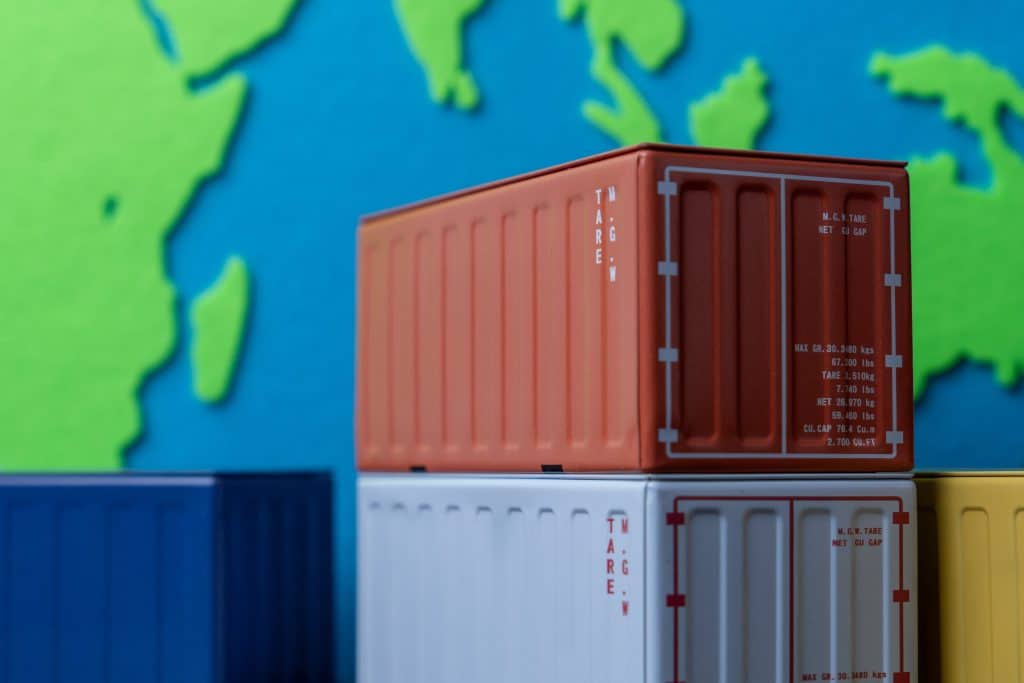
Cross-border waste shipments involve multiple organizations, multiple jurisdictions, and a significant amount of documentation.
That complexity creates friction.
A missing attachment can delay approvals.
An outdated form can trigger additional reviews.
A simple data inconsistency can create hours of administrative work.
The goal of DIWASS is to make regulatory information more accessible, more traceable, and easier to manage across borders.
For waste operators, this means:
In short, less time spent managing paperwork and more time focused on operations.

Many discussions around DIWASS focus on practical questions:
These are important questions, and since DIWASS came into effect, they have been answered in one way or another.
But the bigger challenge often sits behind them.
Most waste companies already use multiple systems for routing, fleet management, operations management, reporting, and compliance. The real question is whether those systems can provide the accurate and structured data required by increasingly digital regulatory frameworks.
A digital compliance platform is only as effective as the data flowing into it.
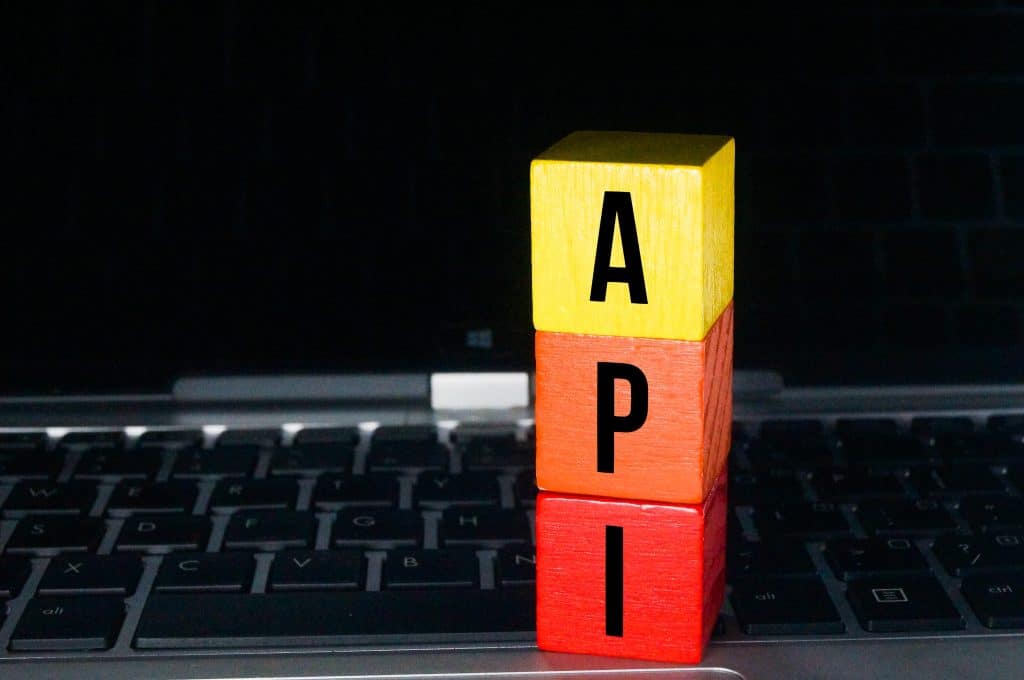
For software providers and large waste operators, the DIWASS API and DIWASS integration may become one of the most impactful aspects of the platform.
Modern waste operations generate information continuously, from collection activities and transport events to treatment records and reporting workflows.
Re-entering that information into multiple systems is time-consuming and increases the risk of errors.
API-based integration creates opportunities to connect operational systems directly with regulatory processes, reducing manual work and improving data quality.
As digital waste governance evolves, organizations will increasingly expect compliance systems and operational systems to work together rather than operate in isolation.

This is where many waste operators face a critical realization:
DIWASS does not create operational visibility.
It depends on it.
If shipment information, material data, customer records, and operational events already exist in disconnected spreadsheets and siloed applications, meeting new compliance expectations becomes harder than it needs to be.
Evreka helps solve this challenge by creating a connected digital foundation for waste operations.
Through a single platform, waste operators can manage collection activities, track materials, monitor assets, optimize routes, automate reporting, and maintain end-to-end operational visibility. Instead of gathering information from multiple sources whenever a regulatory requirement appears, organizations can work with structured data that is already available across their operations.
This becomes particularly valuable as digital compliance frameworks such as DIWASS continue to expand.
With Evreka, organizations can:
In other words, Evreka helps waste operators prepare not just for DIWASS, but for the broader shift toward data-driven waste management.
The most interesting thing about DIWASS is that it reflects a larger trend.
Waste management is becoming increasingly digital.
And everyone wants greater confidence in the data behind critical decisions.
The DIWASS Digital Waste Shipment System is one piece of that transformation. The organizations that gain the most value from it will be those that view compliance not as a separate activity, but as a natural outcome of well-connected operations.
Because when operational data is already accurate, accessible, and traceable, compliance becomes much easier.
And that’s exactly the kind of future Evreka is helping waste operators build today.
And that’s exactly the kind of future Evreka is helping waste operators build today. To see how this future fits into your business, see the DIWASS integration! Ready to see it for yourself? Start your DIWASS compliance journey with a free consultation via the DIWASS platform, no commitment required.